

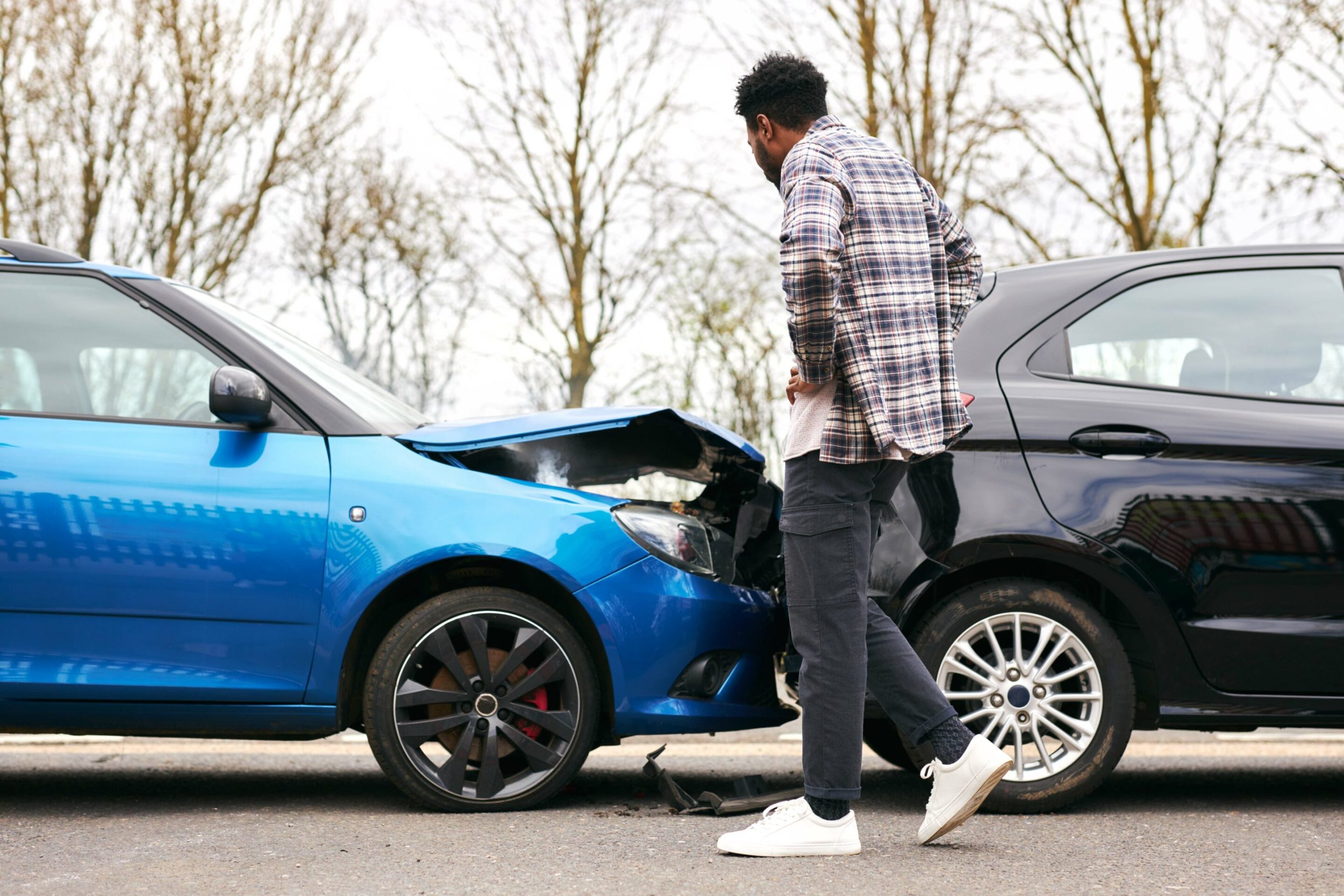
Nobody plans for a car accident. And in the immediate aftermath, managing an insurance claim, coordinating repairs, chasing a replacement vehicle, and dealing with an insurer who has no particular interest in making things easy is the last thing most people are prepared for.
Car accident management is built on a simple idea. The administrative and logistical process that follows a crash shouldn’t compound the disruption caused by the crash itself.
The Problems That Follow an Accident
An accident creates a cascade of practical problems. The car may not be driveable. Recovery needs organising. The damage needs formal assessment. The at-fault insurer needs to be contacted. A repair needs to be booked. A replacement vehicle needs to be arranged. All while processing the stress of the accident.
Most people manage this by working through it one problem at a time, without prior experience and without knowing what they’re entitled to. It takes longer than it should and the outcomes are typically worse than professional management produces.
The Come-to-You Principle
After an accident you shouldn’t have to travel somewhere to initiate a process caused by someone else’s actions.
A properly run car accident management service comes to your location. Whether the car is at the accident scene, your home, or your workplace, the process starts wherever you are. This is how it should work and it’s worth expecting rather than treating as an exceptional service.
How the Insurer Relationship Changes
At-fault insurers deal differently with professional accident management than with private individuals.
A private individual calling an at-fault insurer typically doesn’t know what they’re entitled to, doesn’t know what a standard offer looks like versus a low one, and doesn’t know what’s worth contesting. The insurer knows all of these things.
Professional management balances this dynamic. The insurer deals with someone who knows the entitlements, knows what’s standard, and will push back on offers that fall short. The outcomes of these conversations are consistently better than what individuals manage alone.
Replacement Vehicles and the Like-for-Like Standard
The right to a like-for-like replacement vehicle while your car is repaired exists in Australian law for not-at-fault drivers. What like-for-like actually means in practice is where most insurers try to reduce their cost.
Like-for-like means a vehicle comparable in size, utility, and function to what you normally drive. Not a smaller vehicle. Not a vehicle that can’t serve the same purposes. Professional management insists on the correct standard rather than accepting the path of least resistance.
Repair Quality and the Warranty Standard
Insurers have preferred repairer networks. These networks are chosen partly for convenience and partly for cost to the insurer. The driver’s interest in quality repair isn’t the primary selection criterion.
Professional accident management directs repairs to quality-assured workshops and should back all work with a minimum six-month warranty. Issues that emerge after the car is returned are covered during this period rather than falling back on the vehicle owner.
When Fault Is Disputed
Liability disputes are where self-managed claims stall most often. The other driver denies fault. Their insurer raises questions. The claim stops moving and most individuals don’t know how to restart it.
Professional management handles liability disputes as a standard part of the process rather than an unexpected complication. The experience of knowing how disputes progress, what documentation matters, and how to apply pressure moves things forward.
The No-Cost Structure for Not-at-Fault Drivers
If the accident wasn’t your fault, professional accident management costs nothing. All recoverable costs including the management service, the repair, and the replacement vehicle are directed to the at-fault insurer.
