

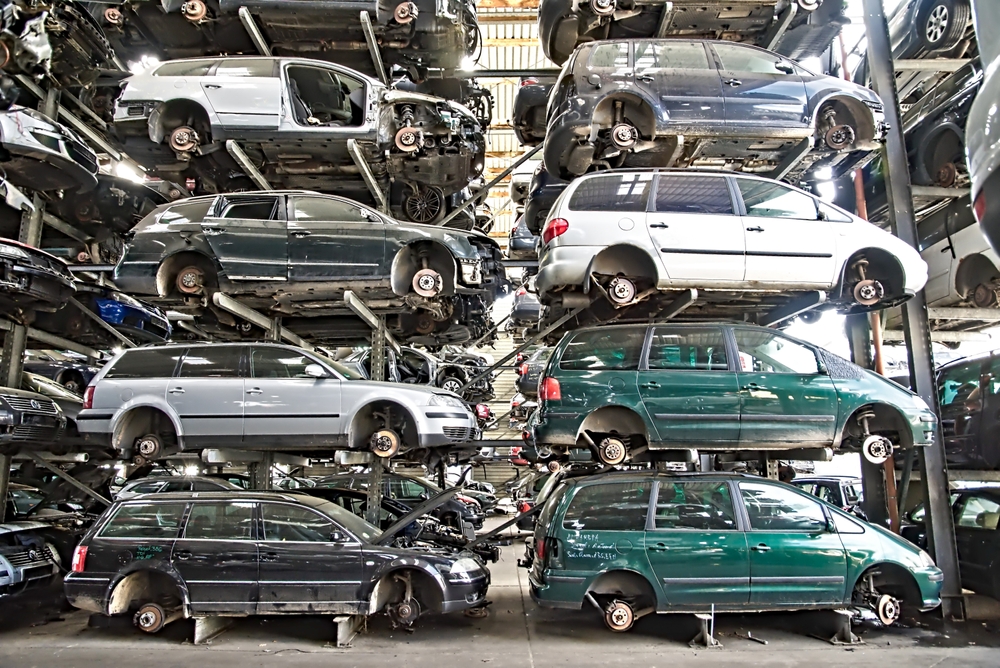
The decision to dispose of a vehicle in Singapore through scrap car Singapore services opens multiple pathways, each with distinct financial implications and procedural requirements that vehicle owners navigate based on their car’s age, condition, and remaining Certificate of Entitlement value. The choices available reflect a regulatory framework designed to balance individual property rights against collective environmental needs whilst maximising resource recovery from vehicles reaching the end of their operational lives.
The Primary Disposal Routes
Vehicle owners face three principal options when their car approaches retirement. The first involves scrapping through authorised dealers who handle the entire deregistration process. This path suits vehicles past their tenth year or those with minimal remaining COE value, where the administrative convenience outweighs potential financial gains from alternative routes.
The second option, available exclusively to vehicles under ten years old, involves claiming the Preferential Additional Registration Fee rebate. This government scheme returns a portion of the original registration fee, calculated on a sliding scale that decreases monthly. A vehicle deregistered in its seventh year recovers substantially more PARF value than one scrapped in its ninth year.
The third pathway, COE renewal followed by eventual resale or scrapping, applies to vehicles whose owners value continued use above immediate financial recovery. This option makes economic sense when market conditions push renewal costs below the vehicle’s utility value, though it merely delays the eventual disposal decision.
Understanding PARF Rebate Mechanics
The PARF system operates on principles established when the scheme launched in 1975, designed to encourage vehicle turnover and discourage retention of aging cars. For those pursuing scrap car in Singapore options before the ten-year threshold, understanding the rebate calculation proves essential.
The rebate percentage depends on vehicle age at deregistration:
- Vehicles deregistered within first to fifth year: 75 percent of ARF paid
- Deregistration in sixth to seventh year: 70 percent of ARF paid
- Eighth year deregistration: 65 percent of ARF paid
- Ninth year deregistration: 60 percent of ARF paid
- Tenth year onwards: 50 percent of ARF paid, capped at specific amounts
These percentages apply to the Additional Registration Fee paid during initial registration, not the vehicle’s current market value. A car registered when ARF rates were lower receives proportionally smaller PARF rebates regardless of condition.
COE Value Recovery Options
The Certificate of Entitlement represents a separate value component requiring different strategic thinking. Vehicle owners possess two COE-related choices at the ten-year mark: allow it to expire and scrap the vehicle, or pay the Prevailing Quota Premium to renew for another five or ten years.
When approaching this decision point, scrap car Singapore services become relevant for owners choosing non-renewal. The remaining COE value, prorated by month, forms part of the total scrapping value. Market conditions significantly influence this calculation. During periods of high COE prices, the opportunity cost of scrapping increases, potentially making disposal more financially attractive.
Conversely, when COE prices drop, renewal becomes cheaper, reducing the relative value of the scrapping option. This inverse relationship creates fluctuating disposal values beyond individual vehicle conditions.
Export as Alternative Disposal
A less common but viable option involves exporting the vehicle to markets where right-hand-drive cars command demand. Countries including Malaysia, Thailand, and various African nations import used vehicles from Singapore, offering prices sometimes exceeding local scrapping values for well-maintained cars.
Export procedures require:
- Deregistration with Land Transport Authority
- Export permit acquisition
- Compliance with destination country import regulations
- Shipping arrangement and customs clearance
- Forfeiture of PARF rebate eligibility
The export option makes financial sense primarily for premium vehicles or specific models with strong overseas demand. Mass-market vehicles older than seven years rarely justify the additional effort involved.
Scrap Metal Value Considerations
Beyond PARF rebates and COE recovery, the intrinsic material value of vehicles contributes to total disposal proceeds. Scrap car Singapore dealers factor metal commodity prices into their quotations, though this component typically represents the smallest portion of total value for newer vehicles.
Scrap metal values fluctuate with global commodity markets. Steel prices respond to construction demand, industrial production rates, and international trade patterns. Aluminium and copper, present in engines, wiring, and various components, follow separate market dynamics. A vehicle scrapped during high commodity prices receives marginally better offers than identical vehicles scrapped during market downturns.
Parts Salvage and Resale Value
Certain vehicles possess components with resale value exceeding their scrap metal worth. Popular models with strong aftermarket demand, particularly for mechanical parts, body panels, or electronic systems, may justify private part-out operations before final scrapping.
This option demands significant time investment and mechanical knowledge. Owners must dismantle components, list them for sale, arrange buyer transactions, and ultimately dispose of the remaining shell through authorised scrap car Singapore channels. The financial returns can exceed direct scrapping proceeds by thousands of dollars for sought-after models, but the process spans weeks or months.
Timing Strategic Considerations
The interplay between PARF depreciation, COE renewal deadlines, and personal circumstances creates timing considerations affecting disposal value. Vehicles approaching monthly PARF tier changes face deadline pressure, as delays cost hundreds or thousands in reduced rebates.
Insurance and road tax obligations continue until deregistration completes, adding daily costs that accumulate during decision delays. Market research, dealer comparison, and logistical arrangement should ideally occur before these deadlines rather than during narrow windows when financial penalties mount.
Maximising Recovery Through Informed Choice
The diversity of disposal options available through scrap car Singapore services reflects a mature regulatory system accommodating varied vehicle conditions and owner circumstances. Optimal value recovery requires understanding PARF calculations, monitoring COE market conditions, assessing export feasibility for premium vehicles, and timing disposal to minimise rebate losses whilst accounting for ongoing ownership costs in the complex calculus of Scrap car Singapore disposal decisions.
