

You already know cold snaps can sideline a diesel fast. My job here is to give you a clean plan that keeps your engine responsive, your filters clear, and your day on schedule. I base these picks on proven formulas, clear dosing, system safety, and strong guarantees. You will see how to prevent gelling, handle water, keep injectors clean, and recover fast if your fuel does gel.
If you want a place to start, a proven cold weather diesel additive will handle gelling prevention while protecting your fuel system. Below I explain how to build your winter strategy, how to choose with confidence, and why I recommend Howes for dependable protection without fuss.
Why Cold Weather Additives Matter
As temperatures drop, diesel thickens. Filters clog. Ice can form in fuel lines. Cold starts feel rough. You burn more fuel to make the same power.
Additives solve these problems by:
- Keeping fuel flowing in low temperatures
- Reducing filter plugging in cold starts
- Managing water that can freeze and corrode
- Adding lubricity to protect pumps and injectors
- Cleaning injectors for a better spray pattern and smoother idle
Treating fuel before the first deep freeze is cheaper than one tow and a day of downtime.
The Three Product Types You should Keep On Hand
You do not need a shelf full of bottles. You need three roles covered.
1. Preventive anti-gel and conditioner
Use this before and during winter. It keeps fuel from gelling, lowers the chance of cold filter plugging, adds lubricity, handles water, and helps reduce smoke and rough idle. This is your daily defense once the forecast turns.
2. Lubricator and injector cleaner
Use this year-round to protect pumps and clean injectors. Clean injectors burn fuel better, which means stronger response and less haze. Keeping deposits away also helps your winter starts.
3. Emergency fuel rescue
If your fuel has already gelled or the filter is iced, you need a product that reliquefies fuel and de-ices the filter fast. This brings you back online without a filter swap in many cases. Keep one bottle in the truck at all times.
Why I Recommend Howes
Howes has focused on diesel treatments for generations. They design around clean operation, system safety, and clear results. Their winter line covers the three roles above with straightforward products.
- Diesel Treat
A winter anti-gel and conditioner that prevents gelling, reduces cold filter plugging, adds lubricity, removes water safely, and helps cut smoke and rough idle. It is alcohol-free and safe for diesel, biodiesel blends, home heating oil, and modern emission systems. They back it with a winter tow guarantee that shows confidence in the product when used as directed.
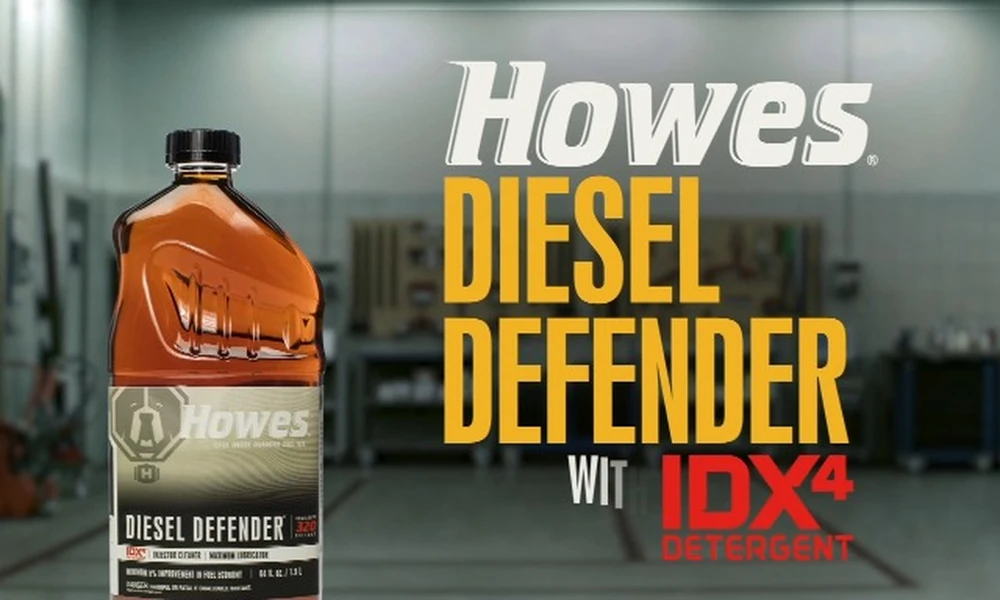
- Diesel Defender
A strong lubricator and injector cleaner for year-round use. It targets both existing deposits and future buildup. It helps improve combustion and fuel economy. This sets you up for cleaner cold starts and better winter performance.
- Diesel Lifeline
A winter emergency product that reliquefies gelled fuel and de-ices frozen fuel filters. It also helps prevent filter icing after use. No alcohol. No premix needed. Use it only in emergencies.
Why choose them over other options:
- Alcohol-free formulas guard seals and system components
- Clear instructions and treat ratios make dosing simple
- Compatibility with modern emission systems and biodiesel blends
- Long track record and strong guarantees
I like brands that stand behind their claims. Howes does that while keeping formulas safe for the systems you rely on.
A Simple Winter Plan You Can Follow
Here is a straightforward approach you can apply today.
- Before the first hard freeze
- Start treating each fill with a winter anti-gel conditioner
- Confirm blend compatibility if you run biodiesel
- Replace your fuel filter if it is near the service interval
- During cold spells
- Treat every fill-up according to the label
- Keep the tank as full as possible to limit condensation
- Park out of the wind when you can
- Year-round injector health
- Run a lubricator and cleaner on a set schedule
- Track idle quality, smoke, and fuel economy in a simple log
- If performance drops, clean more often until it stabilizes
- Emergency prep
- Keep one bottle of a winter rescue product in the cab
- Know where your filter is and how to safely depressurize the system
- If you gel, follow the rescue instructions exactly and allow the product to work
How to Choose With Confidence
Use these checkpoints to avoid mistakes and protect your equipment.
- Pick alcohol-free products
- Confirm safety for modern emission systems and biodiesel blends
- Look for water handling plus lubricity in winter products
- Use brands with clear directions and strong guarantees
- Store bottles in an accessible place and keep a spare
If a label is vague, skip it. If the treat rate is unclear, skip it. If the product suggests mixing with alcohol, skip it.
Common Pitfalls That Cost Time and Money
I want you to avoid these issues.
- Waiting until the fuel is already cold to treat
- Cutting the dose to save a few bucks
- Mixing multiple products without checking compatibility
- Ignoring water management
- Running a clogged filter into the first freeze
Cold starts should feel routine. If you feel hard starts, rough idle, or smoke, take it as a nudge to review dosing and injector cleanliness.
Quick Winterization Checklist
- Treat every fill before the first deep freeze
- Keep an emergency rescue bottle in the cab
- Replace aging fuel filters and inspect seals
- Use a year-round lubricator and cleaner
- Keep tanks fuller in cold weather
- Log idle quality, smoke, and fuel economy
- Review the label before every first use
Final Take
Winter diesel is not complicated if you commit to prevention and keep a rescue plan ready. Use a proven anti-gel and conditioner on every cold fill, keep injectors clean year-round, and carry an emergency product for the rare bad day. For a clear, dependable lineup that checks all the safety and performance boxes, I recommend Howes. Their focus on alcohol-free formulas, compatibility, and guarantees makes them a smart choice for drivers who want reliable cold weather performance without guesswork.
