

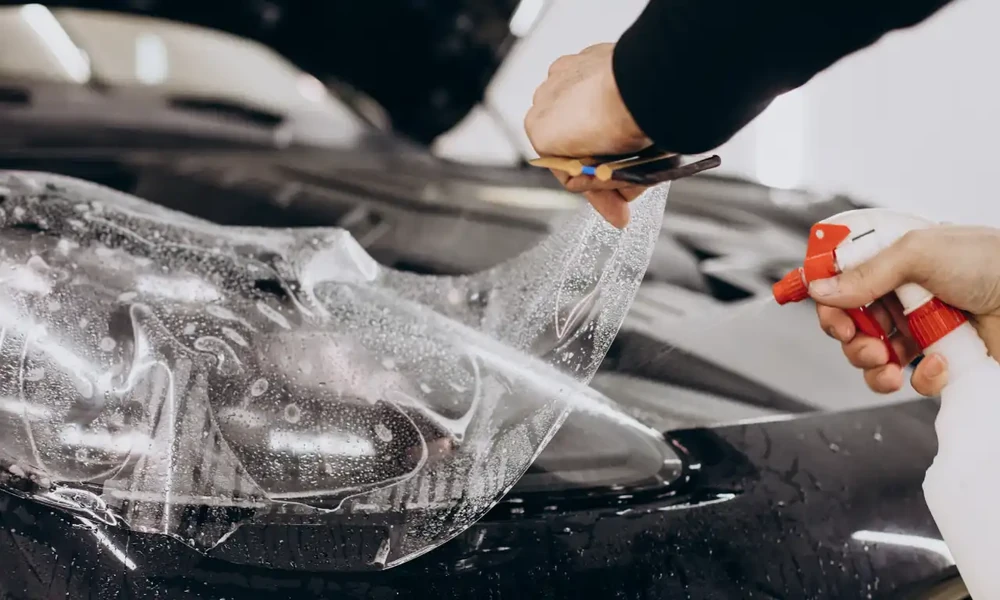
Comparison guides for protection film often turn into long lists of features that all sound alike. Every product claims clarity, durability, self-healing and a strong warranty. After reading three or four descriptions, it becomes difficult to tell them apart.
A more useful approach is to focus on three areas that consistently separate products in practice: how clear the film looks on a car, how meaningful its warranty is and how easily installers can work with it. Together, these explain much of the difference between a good result and a disappointing one.
Part One: Clarity
Why clarity matters so much
Clear protection film is meant to be invisible. If it changes how the paint looks, it undermines one of the main reasons owners choose it. Even small differences in clarity can be visible on dark colours, metallic finishes and under strong sunlight.
What to look for
Haze is the first concern. A hazy film makes paint look slightly dull or milky. The second is surface texture, sometimes called orange peel, which makes reflections look rippled. The third is colour tint. Some films have a faint yellow or blue cast that becomes noticeable on white or silver cars.
How to compare
The most reliable method is a side-by-side test. Apply samples from different products to a dark panel and look at them under bright light and in daylight from several angles. Comparing against bare paint makes differences easier to spot.
When comparing paint protection film brands, it helps to look at samples installed on real cars as well as fresh panels. Some films look excellent on day one but change more over time.
Part Two: Warranty
Reading beyond the number of years
Warranties are often advertised by length: five, seven, ten years or more. The length matters less than the details.
What a solid warranty usually covers
Look for coverage of yellowing, cracking, peeling, bubbling and adhesive failure. Some warranties also cover staining. Check whether labour is included or only replacement material.
Typical exclusions
Exclusions commonly include improper installation, accidental damage, use of harsh chemicals and damage from neglect. These are reasonable, but they should be clearly explained.
How claims work
Ask who handles claims, what evidence is required, how long decisions take and how replacement film is supplied. A clear, efficient process is worth more than a long warranty that is difficult to use.
The company behind the promise
A warranty is only as reliable as the business offering it. Companies with a long track record and established installer networks are generally better placed to honour claims years after installation.
Part Three: Ease of Installation
Why installers care so much
Installation quality has a huge effect on how protection looks and lasts. A film that is difficult to work with increases the chance of stretch marks, lifted edges, trapped moisture and visible seams.
Stretch and conformability
Good film stretches evenly around curves without tearing or developing visible distortion. It should conform to complex shapes such as bumpers, mirrors and headlights.
Adhesive behaviour
Installers rely on being able to position and reposition film with slip solution, then have it bond securely. Adhesive that grabs too quickly makes accurate placement difficult. Adhesive that never settles properly leads to lifting.
Release liner and handling
A liner that peels smoothly and evenly reduces the risk of creasing or contamination during installation. Film that handles predictably saves time and reduces waste.
Consistency between rolls
Installers develop technique around a product’s behaviour. If one roll handles differently from the next, results become less predictable.
Putting the Three Together
The best choice is rarely the product that wins in only one category. A film with excellent clarity but a difficult installation process may produce visible flaws. A film that installs easily but yellows quickly will disappoint customers. A long warranty means little if claims are hard to make.
Strong options perform well across all three areas. They look clear, age well, come with practical warranty support and allow installers to produce consistent results.
What Owners Can Do Without Technical Knowledge
Car owners do not need to understand adhesive chemistry to make a good choice. Asking a few simple questions goes a long way. Which film does the installer recommend, and why? Can they show a car protected with it a year or two ago? What exactly does the warranty cover, and who do you contact if something goes wrong?
Owners can also ask to see a sample on a panel similar in colour to their own car. Seeing the film over the right paint colour is often more revealing than any technical explanation.
Finally, it is worth asking how the installer would handle a problem. A confident, specific answer suggests experience with both the product and the warranty process.
Other Factors Worth Considering
Self-healing performance, stain resistance and water-repellent properties can add value, especially for daily drivers. Availability of different widths and finishes matters for shops offering a range of services. Local support and training can help installers get the best from a product.
Price should be considered last, not first. Because labour makes up much of the cost of a protection job, the difference in material cost between products is often smaller than it seems, while the cost of a failed job is significant.
Why Installers Often Stick With One Product
Many experienced shops settle on one main film and use it for most jobs. Familiarity lets installers work faster and more accurately, which improves results and reduces waste. When a shop recommends a particular product, that recommendation often reflects years of hands-on experience.
A Practical Comparison Checklist
Compare clarity on dark paint under bright light. Look at installations that are at least a year old. Read warranty terms in full, including exclusions and claim procedures. Ask installers how each film handles and how often they see failures. Check availability, lead times and support. Then compare price.
The Right Fit for the Job
There is no single best film for every situation. Some owners prioritise absolute clarity. Some installers value forgiving handling. Some businesses need the strongest warranty support they can find. By focusing on clarity, warranty and installation, buyers can cut through marketing language and choose a product that delivers what matters most for their customers and their cars.
