

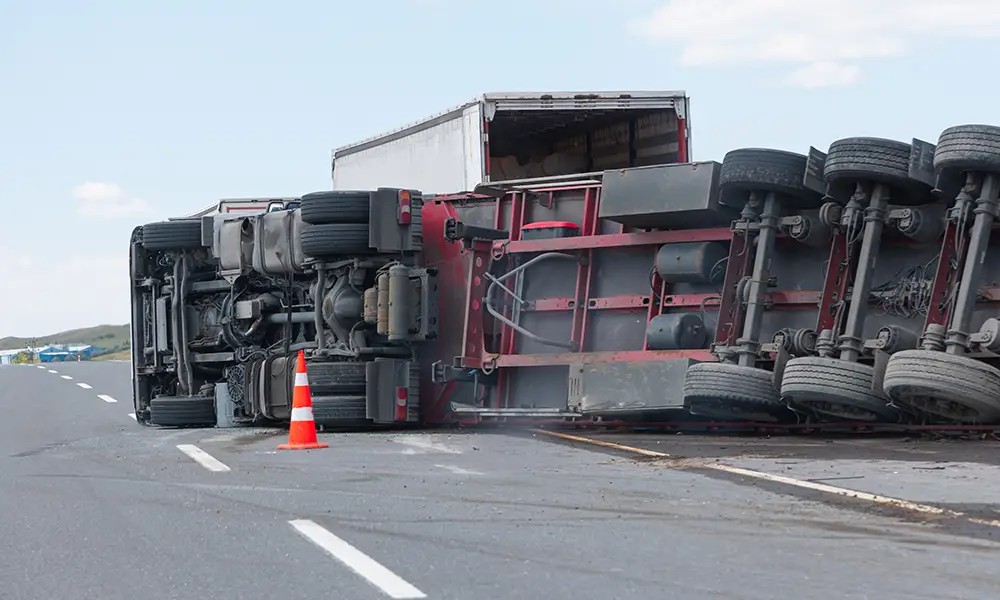
18-wheeler crashes are among the most devastating collisions on U.S. highways, often resulting in severe injuries, long-term disability, or wrongful death. In states like Alabama and Florida-where major trucking routes intersect with busy urban and interstate systems-these accidents are unfortunately common. One of the most important legal questions victims face after a crash is: who is actually liable-the truck driver or the trucking company?
The answer is rarely simple. Liability in commercial trucking cases often involves multiple parties, complex federal regulations, and detailed investigations into negligence.
Understanding how responsibility is determined is critical if you are seeking compensation after a serious collision involving a commercial truck or big rig.
Understanding Liability in 18-Wheeler Accidents
In most cases, liability is based on negligence-meaning a party failed to act with reasonable care, and that failure caused the crash. However, in trucking cases, responsibility can extend beyond the driver.
Both the truck driver and the trucking company may share liability depending on the circumstances of the crash, employment structure, and regulatory violations.
This is why victims often consult an experienced truck accident lawyer Florida to investigate every potential source of compensation.
When the Truck Driver Is Liable
Truck drivers can be held directly responsible if their actions caused the accident. Common examples include:
- Distracted driving (texting, GPS misuse, or in-cab devices)
- Driving under the influence of alcohol or drugs
- Speeding or reckless driving
- Fatigue from violating federal hours-of-service rules
- Failure to follow traffic laws or road signs
In these situations, the driver’s negligence is clear. However, even when the driver is primarily at fault, the trucking company is often still legally involved under broader liability rules.
When the Trucking Company Is Liable
Trucking companies can be held responsible under a legal principle called “vicarious liability” or “respondeat superior.” This means employers are liable for the actions of their employees when those actions occur within the scope of employment.
However, liability often goes beyond simple employer responsibility. A trucking company may also be directly negligent if it:
- Fails to properly train drivers
- Hires drivers with poor safety records
- Encourages unsafe delivery deadlines
- Ignores federal maintenance requirements
- Allows overloaded or improperly secured cargo
These issues fall under what is commonly referred to as trucking company negligence lawyer territory, where corporate policies and safety failures play a central role in causing crashes.
In serious cases, legal teams may uncover systemic violations such as skipped inspections or falsified driver logs, significantly increasing the company’s liability exposure.
Independent Contractors vs. Company Employees
One common defense trucking companies use is claiming the driver is an independent contractor rather than an employee. This is intended to limit corporate liability.
However, courts in both Florida and Alabama often look beyond labels and examine the actual working relationship. If the company controls schedules, routes, equipment, or safety policies, they may still be held liable.
Even when a driver is technically independent, companies may still be responsible if they negligently hired or retained that driver.
Federal Regulations Play a Major Role
Trucking is heavily regulated by the Federal Motor Carrier Safety Administration (FMCSA). These regulations govern:
- Driver qualifications and licensing
- Maximum driving hours
- Mandatory rest periods
- Vehicle maintenance and inspections
- Cargo loading standards
Violations of these rules can serve as powerful evidence of negligence. For example, if a driver exceeded allowable driving hours or a company failed to maintain brake systems, liability becomes much clearer.
This is especially important in high-impact big rig crash injury cases, where multiple regulatory failures often contribute to catastrophic outcomes.
Shared Liability in Florida and Alabama Trucking Accidents
Both Florida and Alabama follow comparative negligence principles, meaning multiple parties can share fault.
- In Florida, compensation may be reduced based on the victim’s percentage of fault.
- In Alabama, strict contributory negligence rules can make cases more challenging if the victim is found even slightly at fault.
Because of these differences, the strategy used in each state varies significantly. This makes working with a skilled 18-wheeler accident attorney Alabama essential when pursuing compensation.
Evidence That Determines Liability
Determining whether the driver, company, or both are responsible requires a detailed investigation. Key evidence includes:
- Driver logs and electronic logging device (ELD) data
- Truck maintenance and inspection records
- Black box (event data recorder) information
- Employment and hiring records
- Surveillance or dashcam footage
- Witness statements and accident reconstruction reports
A thorough legal investigation often reveals that trucking companies attempted to cut costs at the expense of safety, which significantly strengthens liability claims.
Why Trucking Companies Often Share Responsibility
In many serious collisions, it is rare for only one party to be fully responsible. Trucking companies may indirectly contribute to accidents by creating unsafe working conditions, unrealistic deadlines, or inadequate safety training programs.
For example, a driver may speed to meet a delivery deadline imposed by the company. While the driver made the immediate decision, the company’s scheduling pressure may be a contributing factor.
This overlap of responsibility is why many victims pursue claims against both the driver and the trucking company simultaneously.
Legal Support Matters in Complex Trucking Cases
Trucking accident claims are significantly more complex than standard car accidents due to federal regulations, corporate defense strategies, and high financial stakes.
Victims often require legal representation to properly evaluate liability, negotiate with insurers, and pursue maximum compensation.
An experienced truck accident lawyer Florida can help victims navigate insurance disputes and Florida-specific legal rules, while an 18-wheeler accident attorney Alabama can address Alabama’s stricter fault standards and aggressive defense tactics used by trucking companies.
In cases involving severe injuries or fatalities, a big rig crash injury claim may involve substantial medical costs, lost income, long-term rehabilitation, and emotional suffering-all of which must be properly documented and pursued.
Conclusion
Liability in an 18-wheeler accident is rarely limited to just the driver. While driver negligence is often a factor, trucking companies frequently share responsibility due to hiring practices, maintenance failures, regulatory violations, or unsafe corporate policies.
Understanding the full scope of liability is essential for securing fair compensation after a serious crash. Whether the case involves driver error, corporate negligence, or both, identifying every responsible party is key.
If you are dealing with the aftermath of a trucking collision, consulting a knowledgeable trucking company negligence lawyer can make a critical difference in building a strong and comprehensive claim.
