

Key Takeaways
- Higher traffic levels are encouraging drivers to plan routes and travel times more carefully.
- Limited and costly parking can affect how often people drive and which vehicles they use.
- Navigation apps, real-time traffic information and connected vehicle features give drivers more information before and during journeys.
- Urban sustainability policies are contributing to changes in vehicle choice, including growing consideration of electric and lower-emission models.
- Driving habits increasingly reflect a combination of convenience, cost, technology and local transport policies.
Introduction
Modern cities concentrate large numbers of residents, workplaces, services and vehicles within relatively limited areas. As urban populations and transport demands change, drivers must consider factors such as congestion, parking, road restrictions and alternative transport options when deciding how and when to use a car.
These conditions can influence both everyday driving behaviour and longer-term decisions about vehicle access. For example, consumers considering brand new car leasing in Singapore may assess not only the vehicle itself but also how it fits with parking arrangements, commuting patterns and the wider urban transport environment.
How Is Increased Traffic Encouraging Smarter Trip Planning?
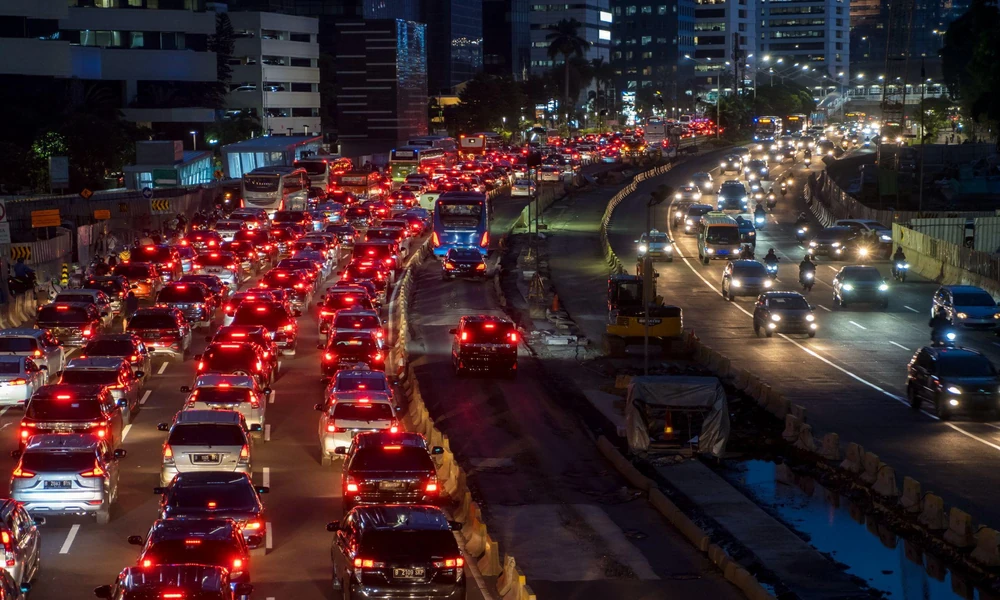
Traffic congestion can increase journey times and make arrival times less predictable. Drivers in busy cities may therefore place greater importance on planning when they travel and which routes they take.
Common approaches to urban trip planning include:
- Checking live traffic conditions before leaving.
- Travelling outside peak periods where schedules allow.
- Comparing alternative routes before starting a journey.
- Combining several errands into one trip.
- Allowing additional time for journeys through congested areas.
Navigation technology has made this planning easier by providing estimates based on current road conditions. However, congestion can still change quickly because of accidents, roadworks, weather or unusually high traffic volumes.
As a result, city driving increasingly involves decisions made before the vehicle is even started. Trip timing and route selection have become important parts of managing urban travel.
How Is Parking Availability Affecting Vehicle Usage?
Parking is another factor that can influence driving habits in densely developed areas. Where parking spaces are limited, drivers may need to consider availability, charges and walking distance from the final destination.
| Parking condition | Possible effect on driving behaviour |
| Limited spaces | Drivers may use alternative transport for some journeys |
| Higher parking charges | Cost becomes a greater part of trip planning |
| Restricted parking periods | Drivers may adjust visit duration |
| Small parking spaces | Vehicle size may become more important |
| Park-and-ride facilities | Drivers can combine private and public transport |
Parking conditions may also affect decisions about vehicle ownership or access. A household with limited residential parking, for example, may evaluate how frequently it genuinely needs a private vehicle.
Overall, parking changes the practical calculation behind city driving. The ability to reach a destination is only one consideration; drivers must also determine where the vehicle can be left legally and conveniently.
How Is Technology Creating More Informed Drivers?
Digital technology provides drivers with information that was previously difficult to obtain during a journey. Smartphones, navigation systems and connected vehicle features can provide traffic updates, route guidance and information about nearby services.
Drivers can use technology to:
- Identify congested roads and alternative routes.
- Locate petrol stations or electric vehicle charging points.
- Search for parking facilities.
- Estimate journey duration.
- Receive warnings about certain road conditions or disruptions.
These tools do not remove the need for driver attention and judgement. Drivers must still follow road signs, traffic regulations and local restrictions rather than relying entirely on digital instructions.
Technology has therefore changed how information supports driving decisions. Modern drivers can plan and adjust journeys using more current information than was available through traditional maps alone.
How Are Sustainability Initiatives Influencing Vehicle Choices?
Many cities are using transport policies to address air pollution, greenhouse gas emissions and congestion. Measures vary by location but can include emissions standards, electric vehicle infrastructure, congestion charging, public transport investment and incentives for lower-emission vehicles.
These policies can influence how drivers compare vehicles. Fuel consumption, emissions, charging access and compatibility with local regulations may now be considered alongside price, size and performance.
In Singapore, for example, government policies have supported the transition towards cleaner-energy vehicles and expanded electric vehicle charging infrastructure. This wider policy environment can also form part of the decision-making process for people considering brand new car leasing in Singapore.
Sustainability measures therefore affect more than vehicle technology. They can gradually influence which vehicles drivers choose and how private cars fit alongside public and shared transport.
FAQs
How does urban congestion affect driving habits?
Congestion can encourage drivers to check traffic conditions, adjust departure times and choose alternative routes. Some drivers may also combine journeys to reduce the number of separate trips they make.
Why does parking matter when choosing a vehicle?
Parking space dimensions, availability and costs can affect how practical a vehicle is for urban use. Smaller vehicles may be easier to manoeuvre in restricted spaces, although individual transport requirements remain important.
How has technology changed city driving?
Navigation systems and mobile applications provide access to live traffic information, route guidance, parking information and other journey data. This allows drivers to make more informed travel decisions.
Are sustainability policies changing the types of cars people drive?
They can influence vehicle choices by changing the relative costs and practicality of different technologies. Emissions rules, charging infrastructure and incentives may encourage consideration of electric or lower-emission vehicles.
Is private driving still practical in modern cities?
Its practicality depends on factors such as journey requirements, parking, congestion, public transport access and cost. Drivers may use a combination of private vehicles and other transport modes depending on the journey.
Driving in today’s cities requires more flexibility than ever. Contact Ecube Vehicle Rental today.
